Understanding Nighttime Coughing: Uncovering the Reasons of Mold Causing Your Symptoms
Introduction to Nighttime Coughing
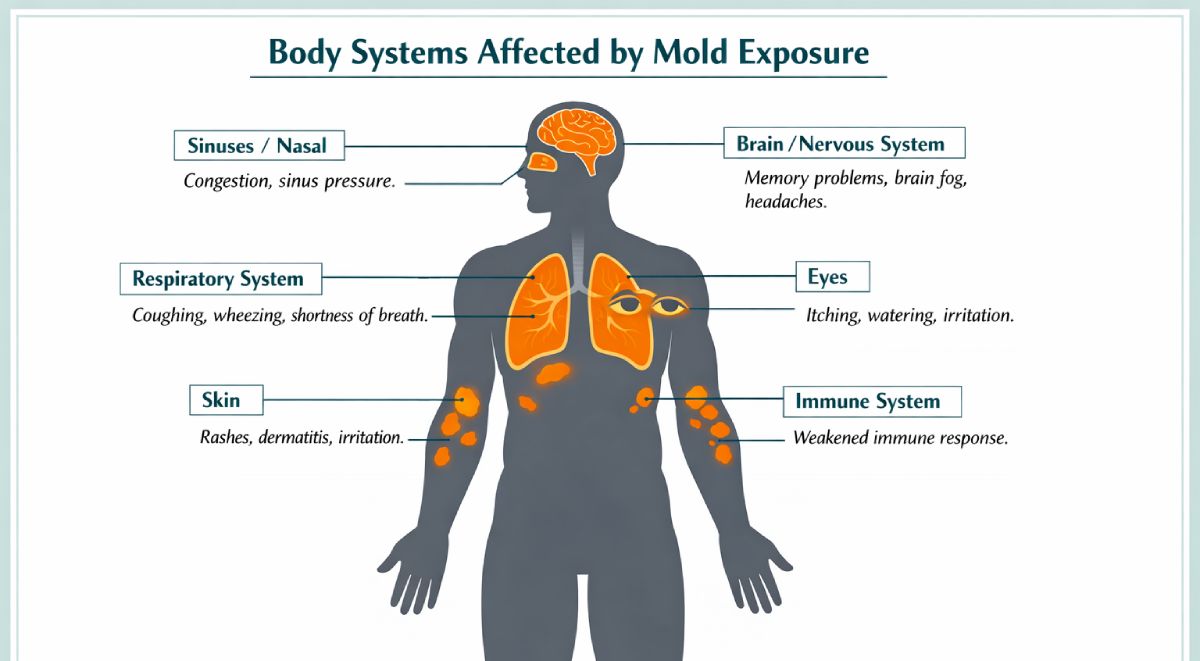 Nighttime coughing can be a frustrating and disruptive experience. As I lay awake, listening to the persistent tick of the clock, I often find myself questioning the source of my discomfort. The reasons can range from simple allergies to more complex issues like mold exposure. Understanding the underlying causes of nighttime coughing is essential for finding relief and improving sleep quality.
When I first noticed my nighttime cough, I thought it was just a seasonal allergy playing tricks on me. However, as the weeks went on, I began to wonder if something more insidious could be lurking in my home. The connection between indoor air quality and respiratory health cannot be overstated. In this article, I will explore the various reasons mold might be contributing to my nighttime symptoms, along with the steps I can take to alleviate them.
In my investigation, I found that understanding the relationship between mold and respiratory problems is crucial. Mold spores can become airborne and infiltrate our living spaces, especially in humid environments. By educating ourselves about the symptoms of mold exposure, we can take proactive measures like Mold testing and detection to safeguard our health and well-being.
The Connection Between Mold and Respiratory Issues
The connection between mold and respiratory issues is well-documented in scientific literature. Mold thrives in damp, poorly ventilated areas, and it releases spores into the air that can be inhaled. As I dug deeper into this topic, I realized that these spores can trigger a variety of respiratory symptoms, including coughing, sneezing, and even asthma attacks.
Mold exposure is particularly concerning for individuals with pre-existing respiratory conditions or weakened immune systems. In my case, I became increasingly aware of how mold could exacerbate my nighttime cough. The inhalation of mold spores can lead to inflammation of the airways, making it harder to breathe, especially at night when I am lying down.
I also learned that different types of mold can have varying effects on our health. For instance, black mold (Stachybotrys chartarum) is notorious for causing severe respiratory issues and should be taken very seriously. Hence, recognizing the importance of mold as a potential trigger for my symptoms was a crucial step in addressing my nighttime coughing.
Common Symptoms of Mold Exposure
As I researched mold and its symptoms, I discovered a wide range of issues that can arise from exposure. Common symptoms include:
- Coughing and Wheezing: Persistent coughing, especially at night, can be a primary indicator of mold exposure. Wheezing or a tight feeling in the chest often accompanies this symptom.
- Nasal Congestion: Mold can cause nasal passages to swell, leading to difficulty breathing and a feeling of pressure in the sinuses.
- Skin Irritation: In some cases, mold exposure can lead to skin rashes or irritation, which is another sign that my environment may be contaminated.
Other symptoms to be aware of include:
- Eye Irritation: Red, itchy, or watery eyes can signal mold exposure, especially in individuals with allergies.
- Fatigue: Chronic exposure to mold can lead to fatigue and a general feeling of malaise, which I found deeply concerning.
Understanding these symptoms has helped me identify when my nighttime cough may be linked to mold exposure. It’s essential to recognize these signs early on to prevent further health complications.
Reasons Mold May Cause Nighttime Coughing
Several factors contribute to mold's ability to cause nighttime coughing. I found that understanding these reasons could help me take the necessary steps to mitigate my symptoms. Here are some of the main reasons:
Increased Exposure at Night: When I lie down to sleep, I am often in closer proximity to mold spores that may be present in my bedding or bedroom environment. This increased exposure can trigger coughing fits as my body reacts to the irritants.
Airway Inflammation: Mold spores can lead to inflammation in the airways, making them more sensitive. This reaction can be particularly pronounced at night when I am relaxed and my body is in a resting state. Inflammation can result in a cough reflex, making it hard to breathe comfortably.
Humidity Levels: Mold thrives in damp conditions. If my home has high humidity levels, this can exacerbate the growth of mold and increase the likelihood of coughing. I learned that maintaining optimal humidity levels (between 30% and 50%) can help reduce mold growth and its associated symptoms.
By understanding these reasons, I can take a more targeted approach to alleviating my nighttime cough and improving my overall health.
Identifying Mold in Your Home
Identifying mold in my home is a crucial step toward addressing my nighttime coughing. Mold can often be hidden from view, but there are several signs I can look for:
Visible Mold Growth: This is the most obvious indication. I should regularly inspect areas prone to moisture, such as bathrooms, kitchens, and basements. Dark spots or discoloration on walls and ceilings can indicate mold presence.
Musty Odor: A persistent, musty smell often accompanies mold growth. If I notice this odor in specific areas of my home, it may be time to investigate further.
Water Damage: Any history of leaks or water damage should raise a red flag. I should check for stains or peeling paint, as these can indicate hidden mold issues.
To effectively identify mold, I may also consider using mold test kits available in stores. These kits can help me determine the presence of mold spores in the air or on surfaces. However, professional mold inspections may be warranted if I suspect a significant problem.
Health Risks Associated with Mold Exposure
The health risks associated with mold exposure can be serious, and it’s essential to understand them to take action. Prolonged exposure to mold can lead to various respiratory issues and other health complications. Some of the significant health risks include:
Allergic Reactions: For many, mold can trigger allergic responses, resulting in symptoms like sneezing, runny nose, and even skin rashes. I found that individuals with mold allergies are particularly vulnerable to these effects.
Respiratory Infections: Continuous exposure can weaken the immune system, making me more susceptible to respiratory infections, such as bronchitis or pneumonia. I realized that my nighttime cough could be a sign of underlying infections related to mold exposure.
Chronic Health Issues: Long-term exposure to mold can lead to chronic health issues, including asthma and other chronic obstructive pulmonary diseases (COPD). Understanding these risks motivated me to take action against mold in my home.
Being aware of these health risks has reinforced my determination to address any mold-related issues in my living space. Taking preventive measures can significantly enhance my quality of life and respiratory health.
Preventing Mold Growth in Your Home
Preventing mold growth in my home is a proactive approach I can take to manage my nighttime cough. Here are several effective strategies I can implement:
Control Humidity Levels: Keeping humidity levels in check is crucial. I can use dehumidifiers in damp areas, like basements and bathrooms, to maintain optimal humidity levels. Additionally, regularly using exhaust fans can help reduce moisture.
Ensure Proper Ventilation: Proper ventilation is essential for discouraging mold growth. I should make sure that my home is well-ventilated, particularly in areas prone to moisture. Opening windows and using fans can help circulate air and reduce humidity.
Regular Cleaning: Regular cleaning routines can help minimize mold growth. I should clean bathrooms and kitchens frequently, paying special attention to areas where water tends to accumulate. Using mold-resistant products can also be beneficial.
Address Leaks Promptly: If I notice any leaks or water damage, I must address them immediately. Prompt repairs can prevent moisture buildup and subsequent mold growth.
By taking these preventive measures, I can create a healthier living environment and significantly reduce the chances of nighttime coughing due to mold exposure.
Treatment Options for Mold-Related Coughing
If I find myself dealing with a persistent cough due to mold exposure, several treatment options are available to help alleviate my symptoms. Here are some effective strategies I can consider:
Over-the-Counter Medications: Over-the-counter antihistamines and cough suppressants can provide temporary relief from coughing and other allergy symptoms. I should consult with my healthcare provider to choose the right medication for my condition.
Home Remedies: Natural remedies can also be effective. I can try using honey in warm tea to soothe my throat or inhaling steam to help clear nasal congestion. Staying well-hydrated is essential, as it can help thin mucus and reduce coughing.
Allergy Testing: If my symptoms persist, I may consider undergoing allergy testing. This can help identify specific allergens, including mold, and guide my treatment options.
Professional Treatment: In more severe cases, consulting a healthcare professional is crucial. They may recommend prescription medications or therapies to manage my symptoms effectively.
Understanding these treatment options empowers me to take charge of my health and find effective ways to manage my nighttime coughing.
When to Seek Professional Help
Knowing when to seek professional help is crucial for managing my nighttime cough effectively. Here are some guidelines I can follow:
Persistent Symptoms: If my cough persists for more than a few weeks, I should consult a healthcare professional. Long-term cough can indicate underlying health issues that require further investigation.
Severe Symptoms: If I experience shortness of breath, chest pain, or wheezing, I should seek medical attention immediately. These symptoms could indicate serious respiratory problems that need urgent care.
Allergic Reactions: If I notice signs of a severe allergic reaction, such as swelling, hives, or difficulty breathing, I must seek emergency medical help right away.
Understanding the importance of professional help has reassured me that I am not alone in managing my symptoms. By knowing when to seek assistance, I can take proactive steps toward better health.
Conclusion: Taking Action Against Mold-Related Symptoms
In conclusion, understanding the reasons mold may cause nighttime coughing has been an enlightening journey for me. By recognizing the connection between mold exposure and respiratory issues, I can take informed steps to improve my health and living environment.
Through identifying mold in my home and understanding the associated health risks, I am empowered to take preventive measures. Implementing strategies such as controlling humidity, ensuring proper ventilation, and maintaining cleanliness can help mitigate mold growth and the symptoms that accompany it.
For more information about Reasons of Mold Causing Symptoms contact Us:
Business Name: Green Guard Mold Remediation Of Union
Address: 1620 US-22, Union, NJ 07083, United States
Phone: +1 908-263-1697
Email: info@greenguardmoldremediationunion.com
Website: https://greenguardmoldremediationunion.com/


Comments
Post a Comment