Understanding Mold Exposure: Health Risks and When to Seek Professional Help
What is Mold Exposure?
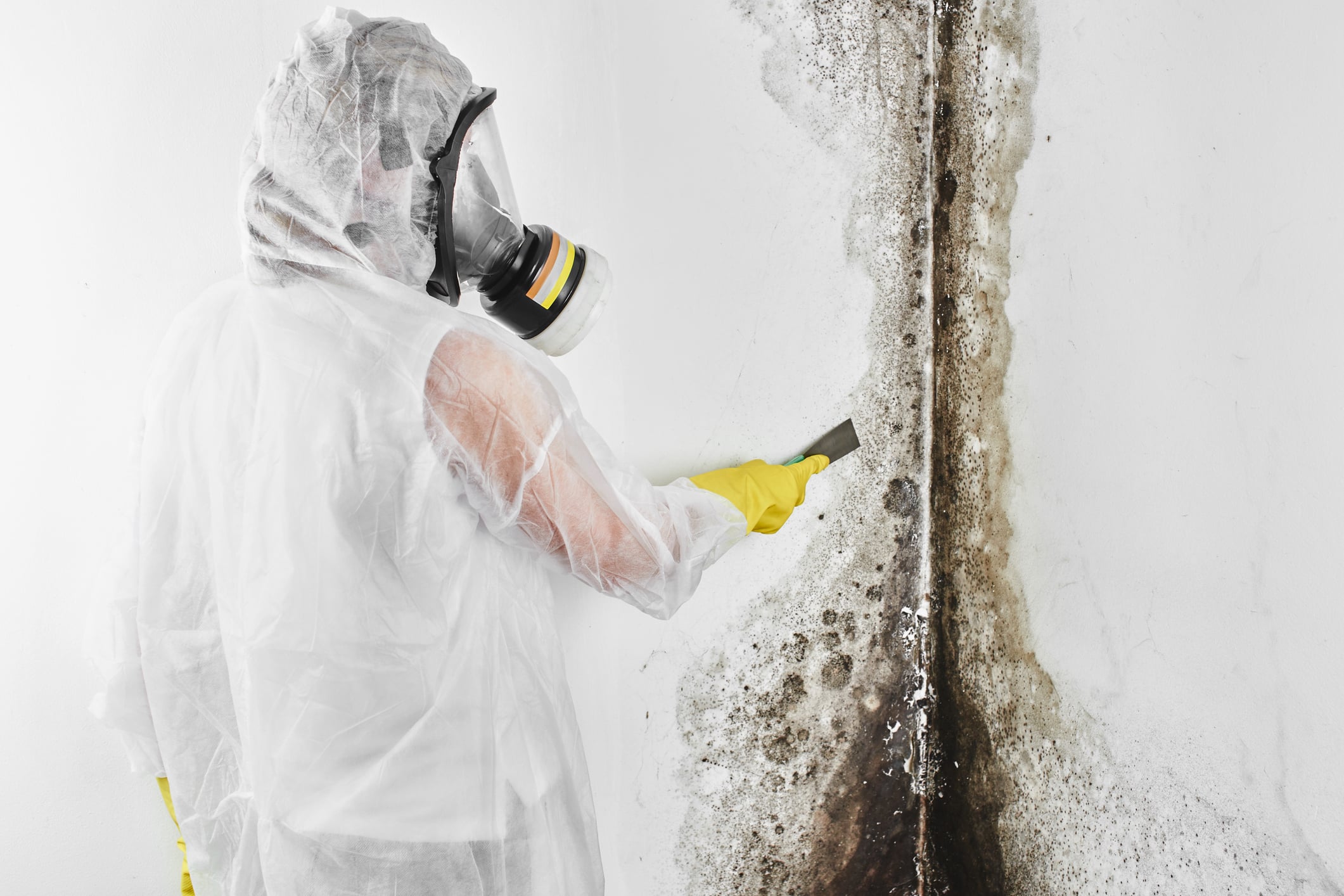
Mold exposure refers to the inhalation or contact with mold spores, which can exist in various environments, particularly in damp or humid areas. Mold is a type of fungus that thrives in moist conditions, and it can be found both indoors and outdoors. When mold spores are disturbed, they can become airborne, leading to potential exposure, particularly in enclosed spaces such as homes, offices, and other buildings.
I have learned that mold can take on various forms and colors, including black, green, and white. The presence of mold can be indicative of underlying moisture problems, which may arise from leaks, poor ventilation, or high humidity levels. Understanding mold exposure is crucial for recognizing its potential health hazards and addressing them effectively.
It is essential to note that not all molds are harmful. Some types are harmless and can even be beneficial in certain contexts, such as in the production of antibiotics or in food fermentation. However, exposure to certain molds can lead to health complications, especially for sensitive individuals. By learning more about mold exposure, we can take proactive steps to minimize risks.
Common Sources of Mold in the Home
Mold can originate from several common sources within our homes, often thriving in areas where moisture accumulates. Here are some of the primary sources:
Leaking Pipes: Water leaks from plumbing can create an ideal environment for mold growth. Even small leaks can lead to significant mold issues if not addressed promptly.
Roof Leaks: Water intrusion from a damaged roof can lead to mold development in attics and ceilings. If you notice water stains on your ceiling, it may be time for a roof inspection.
Basements and Crawl Spaces: These areas are often damp and poorly ventilated, making them prime spots for mold. I recommend checking these spaces regularly for signs of moisture or mold growth.
Bathrooms: High humidity levels from showers and baths can encourage mold growth on tiles, walls, and ceilings. Proper ventilation is essential in these areas to reduce moisture.
Flooding: Natural disasters, such as floods, can introduce vast amounts of water into our homes, creating a breeding ground for mold. If you experience flooding, thorough cleaning and drying are crucial to prevent mold.
By identifying these sources, we can take steps to mitigate mold risks in our living spaces. Regular maintenance and inspections can go a long way in keeping our homes mold-free.
Health Risks Associated with Mold Exposure
Mold exposure can have various health implications, especially for individuals with pre-existing conditions or sensitivities. Some of the primary health risks include:
Respiratory Issues: Inhalation of mold spores can lead to respiratory problems such as coughing, wheezing, and difficulty breathing. Individuals with asthma or allergies may experience exacerbated symptoms.
Allergic Reactions: Mold exposure can trigger allergic reactions, leading to symptoms such as sneezing, runny nose, and itchy eyes. For some, these reactions can be severe and require medical attention.
Toxic Effects: Certain molds, like Stachybotrys chartarum (commonly known as black mold), produce mycotoxins that can have toxic effects on humans. Symptoms can range from headaches and fatigue to more severe neurological issues in sensitive individuals.
I have seen firsthand how mold exposure can impact a person’s quality of life. For those already dealing with chronic health conditions, the added burden of mold-related symptoms can be overwhelming. Therefore, it is crucial to recognize the potential health risks associated with mold exposure.
Symptoms of Mold Exposure
Recognizing the symptoms of mold exposure is essential for timely intervention. Here are some common signs to look out for:
Respiratory Symptoms: Persistent coughing, wheezing, and shortness of breath can indicate mold exposure. I have observed that these symptoms often worsen in damp environments.
Skin Reactions: Mold can cause skin irritation, including rashes and itching. Individuals with sensitive skin may notice these reactions more intensely.
Neurological Symptoms: Some people report experiencing headaches, fatigue, and cognitive difficulties when exposed to mold. These symptoms can severely impact daily functioning and overall well-being.
Eye Irritation: Red, itchy, or watery eyes can be a sign of mold exposure, especially for those with allergies. I advise anyone experiencing these symptoms to consider their environment.
If you notice any of these symptoms, especially in conjunction with mold presence, it may be time to seek professional help. Early intervention can help prevent more severe health issues down the line.
Vulnerable Populations and Mold Sensitivity
Certain groups of people are more vulnerable to the effects of mold exposure. Understanding these populations can help us take preventive measures:
Children: Young children have developing immune systems that may not respond well to mold exposure. They are at a higher risk for respiratory issues and allergic reactions.
Elderly Individuals: Older adults often have weakened immune systems and may have pre-existing health conditions that can be exacerbated by mold.
Pregnant Women: Exposure to mold during pregnancy may pose risks to both the mother and the developing fetus, making it essential for pregnant women to minimize exposure.
Individuals with Pre-existing Conditions: People with asthma, allergies, or other respiratory conditions are particularly susceptible to the effects of mold. Even a small amount of mold can trigger severe reactions.
By acknowledging these vulnerable populations, we can prioritize mold prevention efforts and create safer environments. It is essential to take extra precautions if you live with individuals in these groups.
When to Seek Professional Help for Mold Exposure
Recognizing when to seek Professional help for mold removal can make a significant difference in addressing the issue effectively. Here are some scenarios that warrant professional intervention:
Visible Mold Growth: If you notice mold growth in your home, especially in large quantities, it is time to call in a professional. They can assess the situation and determine the best course of action.
Health Symptoms: If you or your family members experience persistent health symptoms that improve when away from home, it may be indicative of mold exposure. Seeking medical advice and professional mold assessment can be crucial.
Water Damage: After incidents of water damage, such as flooding or leaks, it is vital to have a professional evaluate the area for potential mold growth. They have the expertise to identify hidden mold that may not be visible.
Difficulty in Remediation: If you attempt to clean mold and find it challenging to remove completely, or if it keeps returning, professional help may be necessary to address the underlying cause.
I always recommend erring on the side of caution when it comes to mold exposure. Seeking professional help can prevent further health risks and ensure thorough remediation of the mold problem.
Preventing Mold Growth in Your Home
Preventing mold growth is essential for maintaining a healthy living environment. Here are some effective strategies to keep mold at bay:
Control Humidity: Keeping indoor humidity levels below 50% is crucial. Use dehumidifiers in damp areas, and ensure proper ventilation throughout your home.
Fix Leaks Promptly: Address any plumbing or roof leaks immediately to prevent moisture accumulation. Regular inspections can help catch issues before they escalate.
Improve Ventilation: Ensure that areas prone to moisture, such as bathrooms and kitchens, are well-ventilated. Installing exhaust fans can significantly reduce humidity levels.
Use Mold-resistant Products: Consider using mold-resistant paints and materials during renovations, especially in areas prone to dampness. This can provide an added layer of protection against mold growth.
Regular Cleaning: Maintain a regular cleaning schedule, especially in high-risk areas. Use mold-killing solutions on surfaces prone to moisture, such as shower tiles and sinks.
By implementing these preventive measures, we can create a healthier living space and minimize the chances of mold growth. Taking proactive steps today can save us from extensive remediation efforts tomorrow.
Mold Remediation Options
If mold is detected in your home, several remediation options are available to address the problem effectively. Here are some common methods:
DIY Remediation: For small areas of mold, I recommend using a mixture of water and detergent or a commercially available mold remover. Ensure you wear protective gear, such as gloves and masks, to avoid exposure.
Professional Mold Removal: For larger infestations or toxic mold types, hiring a professional mold remediation service is often the best course of action. They have the expertise and equipment to safely remove mold and address the underlying issues causing growth.
Encapsulation: In some cases, encapsulating mold-affected materials can be a viable option. This involves sealing the mold in with a protective coating, preventing further exposure and spread.
Air Filtration Systems: Installing high-efficiency particulate air (HEPA) filters can help reduce airborne mold spores in your home. Regular maintenance of HVAC systems can also prevent mold from spreading.
Moisture Control: Addressing the underlying moisture issues is crucial for successful mold remediation. This may involve infrastructure repairs, improved drainage systems, or landscaping changes to direct water away from the home.
Choosing the right remediation method depends on the extent of the mold problem and the resources available. I always recommend consulting with professionals for significant mold issues to ensure safe and effective remediation.
Legal Rights Regarding Mold Exposure in Rental Properties
If you are a tenant, it is vital to understand your legal rights concerning mold exposure in rental properties. Many jurisdictions have specific laws that protect tenants from unsafe living conditions, including mold. Here’s a brief overview:
Landlord Responsibilities: Landlords are typically required to maintain habitable living conditions, which include addressing mold issues promptly. If mold is present due to negligence, tenants may have grounds for legal action.
Notification: Tenants should notify their landlords in writing about any mold issues as soon as they are discovered. Keeping a record of communication is important for potential legal disputes.
Remediation Obligations: Depending on local laws, landlords may be obligated to perform mold remediation or provide assistance to tenants in addressing the issue.
Tenant Rights: Tenants may have the right to withhold rent, terminate the lease, or seek damages if mold exposure leads to health issues or property damage. However, it’s essential to consult with a legal professional before taking such actions.
Understanding our rights is crucial for ensuring a safe living environment. If you suspect mold exposure in a rental property, do not hesitate to seek legal guidance to protect yourself.
Conclusion
Mold exposure is a serious issue that can have significant health implications. By understanding the sources, health risks, and preventive measures, we can take proactive steps to protect ourselves and our loved ones. Regular inspections, prompt action on water damage, and awareness of symptoms are vital components of mold prevention.
If you encounter mold in your home or experience health symptoms related to mold exposure, seeking professional help is crucial. Early intervention can prevent more severe health issues and ensure a safe living environment.
For More Information about Mold Exposure Contact us :
Business Name: Green Guard Mold Remediation of Edison
Address: 6 Kilmer Rd, Edison, NJ 08817, United States
Phone: 908-762-8046
Email: info@greenguardmoldremediationedison.com
Website: https://greenguardmoldremediationedison.com/


Comments
Post a Comment