Complete Mold Remediation Guide for Homeowners: Process, Costs & Prevention
Mold is an unwelcome guest in any home, often lurking in damp corners and hidden spaces. Its presence can lead to significant structural damage and pose serious health risks to inhabitants. Understanding the Mold remediation process is essential for homeowners who want to protect their living environment. This comprehensive guide will walk you through everything you need to know about mold remediation, including when to act, the steps involved, costs, and preventive measures to keep your home mold-free.
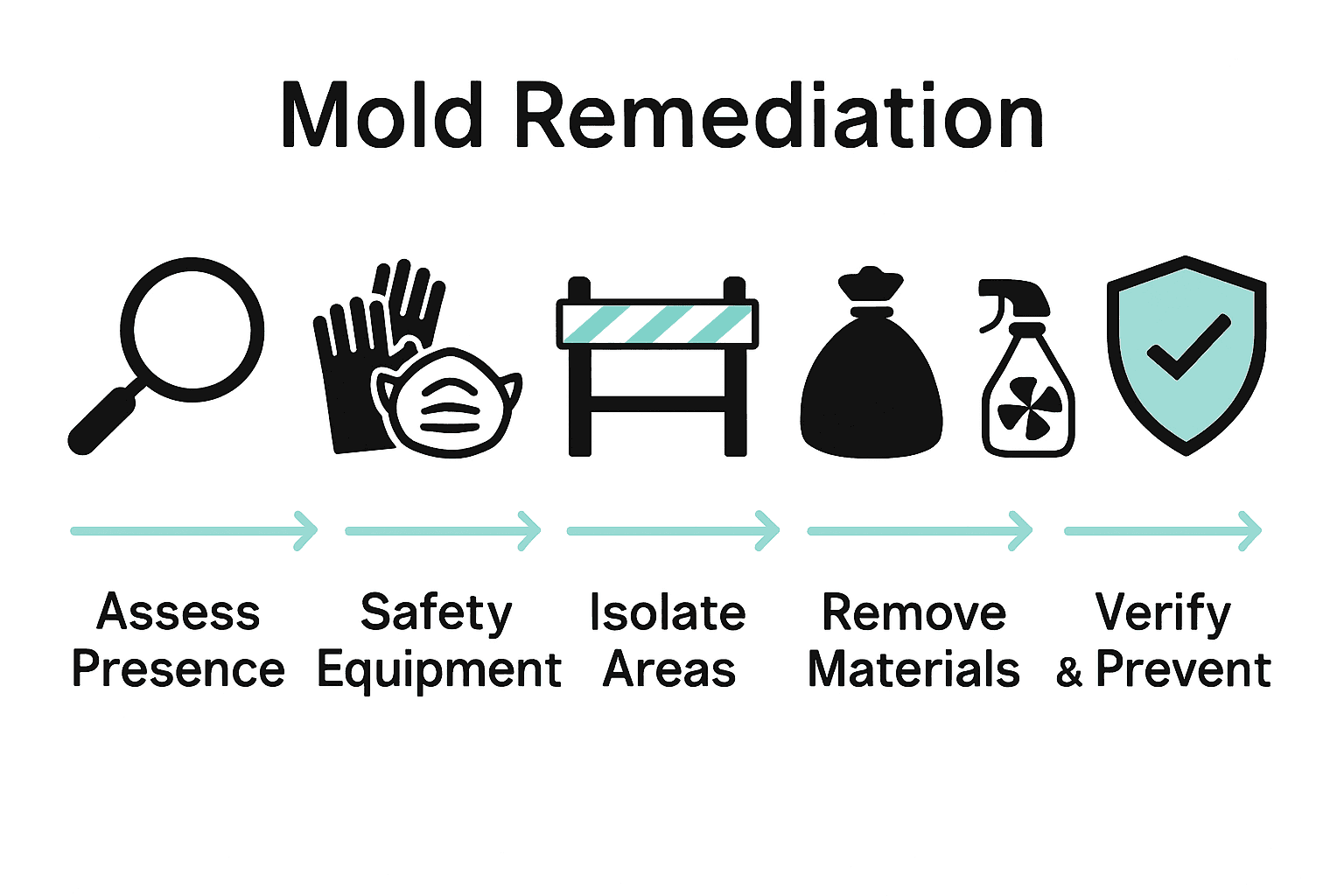
What Is Mold Remediation?
Mold remediation refers to the systematic process of identifying, removing, and preventing mold growth in residential properties. Unlike simple cleaning, remediation addresses the underlying causes of mold proliferation, ensuring that the conditions that foster its growth are eliminated. This process typically involves several key steps:
- Inspection: A thorough examination of the property to identify mold presence and moisture sources.
- Containment: Isolating affected areas to prevent the spread of mold spores.
- Removal: Safely eliminating mold from surfaces and materials.
- Cleaning and Sanitization: Treating surfaces to eliminate residual spores and prevent future growth.
- Moisture Control: Implementing strategies to manage humidity and moisture levels in the home.
By following these steps, homeowners can ensure a comprehensive approach to mold remediation that not only removes existing mold but also prevents its return.
When Is Mold Remediation Necessary?
Recognizing when to initiate mold remediation is crucial for maintaining a healthy home. Here are some indicators that professional intervention may be required:
- Extent of Growth: If mold covers an area larger than approximately 10 square feet, it is advisable to seek professional help.
- Recurring Issues: Persistent mold problems that return despite cleaning efforts indicate an underlying issue that needs addressing.
- Health Symptoms: If you or your family members experience unexplained health issues, such as respiratory problems or allergic reactions, mold may be a contributing factor.
- Water Damage: Recent flooding or leaks can create ideal conditions for mold growth, necessitating immediate action.
If you notice any of these signs, it’s essential to act quickly to mitigate potential health risks and property damage.
The Mold Remediation Process: Step-by-Step
Initial Inspection and Assessment
The first step in the mold remediation process is a detailed inspection of the property. Certified professionals utilize advanced tools such as moisture meters and thermal imaging cameras to assess the extent of the mold problem. This assessment includes:
- Air Quality Testing: To detect airborne mold spores.
- Surface Testing: To identify mold colonies on various surfaces.
- Moisture Mapping: To locate hidden moisture sources that may be contributing to mold growth.
This thorough evaluation helps in formulating an effective remediation plan tailored to the specific needs of the property.
Containment of Affected Areas
Once the mold problem is identified, the next step is to contain the affected areas. This is crucial to prevent mold spores from spreading to other parts of the home. Containment methods include:
- Plastic Sheeting: Sealing off the area to restrict access.
- Negative Air Pressure Machines: Creating a vacuum effect to keep spores contained.
- HEPA Air Scrubbers: Filtering out mold particles from the air.
These measures ensure that the remediation process is effective and minimizes the risk of cross-contamination.
Mold Removal and Disposal
The actual removal of mold involves several critical actions:
- Cleaning Surfaces: Affected surfaces are scrubbed with antimicrobial solutions to eliminate mold.
- Removing Contaminated Materials: Items that cannot be adequately cleaned, such as drywall or carpeting, may need to be discarded.
- HEPA Vacuuming: Specialized vacuums are used to capture airborne mold spores during the cleanup process.
In cases of severe infestations, structural materials may need to be replaced to ensure complete remediation.
Cleaning and Sanitization
After mold removal, it’s essential to clean and sanitize the affected areas thoroughly. This step includes:
- Wiping Down Surfaces: Using EPA-approved mold-killing agents to treat all surfaces.
- Cleaning HVAC Systems: Ensuring that air ducts and systems are free from mold spores.
- Air Purification: Utilizing HEPA air scrubbers to improve indoor air quality.
This comprehensive cleaning process helps eliminate any remaining spores and ensures a safe living environment.
Moisture Control and Prevention
To prevent future mold growth, it’s vital to address the moisture sources that contributed to the problem. This may involve:
- Repairing Leaks: Fixing plumbing issues or roof leaks that allow water intrusion.
- Improving Ventilation: Enhancing airflow in high-humidity areas, such as bathrooms and kitchens.
- Using Dehumidifiers: Maintaining indoor humidity levels below 60% to discourage mold growth.
Implementing these preventive measures is crucial for long-term mold management.
Common Types of Mold Found in Homes
Understanding the types of mold that can inhabit your home is essential for effective remediation. Some common varieties include:
- Black Mold (Stachybotrys chartarum): Often found in areas with significant water damage, this mold is known for its toxic properties.
- Green Mold (Aspergillus): Commonly found in damp areas, it can cause allergic reactions in sensitive individuals.
- White Mold (Penicillium): Typically grows on organic materials like fabrics and insulation.
- Cladosporium: Frequently found on wood and painted surfaces, it can thrive in both indoor and outdoor environments.
Identifying the type of mold present can help determine the best remediation approach.
DIY vs. Professional Mold Remediation: What’s the Difference?
While some homeowners may consider tackling mold removal themselves, there are significant differences between DIY methods and professional remediation:
| DIY Mold Removal | Professional Mold Remediation |
|---|---|
| Limited to surface cleaning | Comprehensive removal of visible and hidden mold |
| Risk of spreading spores | Uses containment methods to prevent spread |
| No guarantee of complete removal | Certified technicians ensure thorough remediation |
| Lacks air quality testing | Professional testing and monitoring included |
For extensive mold issues, hiring professionals is often the safest and most effective option.
Costs of Mold Remediation
The cost of mold remediation can vary widely based on several factors, including:
- Extent of the Infestation: Larger areas with significant mold growth will typically incur higher costs.
- Location: Prices may vary depending on regional labor rates and the availability of remediation services.
- Type of Mold: Certain types of mold may require specialized treatment, impacting overall costs.
On average, homeowners can expect to pay between $500 and $6,000 for mold remediation, depending on the severity of the issue. It’s advisable to obtain multiple quotes from certified professionals to ensure a fair price.
Why Choose Professional Mold Remediation Services?
Opting for professional mold remediation services offers several advantages:
- Expertise: Trained technicians have the knowledge and experience to handle mold issues effectively.
- Advanced Equipment: Professionals use specialized tools and techniques that are not typically available to homeowners.
- Safety: Professionals follow strict safety protocols to protect themselves and the occupants of the home during the remediation process.
- Long-Term Solutions: Experts can identify and address the root causes of mold growth, reducing the likelihood of recurrence.
Choosing a reputable mold remediation service can provide peace of mind and ensure a thorough job.
Preventive Measures to Keep Mold at Bay
Preventing mold growth is essential for maintaining a healthy home environment. Here are some effective strategies:
- Regular Inspections: Periodically check for signs of moisture or mold in hidden areas, such as attics and basements.
- Maintain Humidity Levels: Use dehumidifiers in damp areas and ensure proper ventilation throughout the home.
- Prompt Repairs: Address leaks and water damage immediately to prevent mold from taking hold.
- Proper Insulation: Insulate pipes and walls to reduce condensation and moisture buildup.
By implementing these preventive measures, homeowners can significantly reduce the risk of mold growth.
Frequently Asked Questions (FAQs)
Can I Stay in My Home During Mold Remediation?
Whether you can remain in your home during remediation depends on the severity of the mold problem. For minor issues, it may be safe to stay, but extensive mold removal often requires temporary relocation for safety.
How Long Does Mold Remediation Take?
The duration of the remediation process varies based on the extent of the mold problem. Most projects can be completed within 1 to 3 days, but larger infestations may take longer.
Will Mold Return After Remediation?
If the source of moisture is effectively addressed and preventive measures are implemented, mold should not return. Regular maintenance and inspections can help keep your home mold-free.
Conclusion
Mold remediation is a critical process for homeowners looking to maintain a safe and healthy living environment. By understanding the steps involved, recognizing when to seek professional help, and implementing preventive measures, you can protect your home from the dangers of mold. If you suspect mold in your home, don’t hesitate to take action—your health and safety depend on it.
For more information about Water Damage Restoration Services in Hackensack, NJ, please contact:
Business Name: Green Guard Mold Remediation Hackensack
Address: 60 Court St, Hackensack, NJ 07601, United States
Phone: +1 551-324-9713
Email: info@greenguardmoldhackensack.com
Website: https://greenguardmoldhackensack.com/


Comments
Post a Comment