Mold Inspection vs Mold Testing in Plainfield NJ: Key Differences
Mold growth in homes can pose serious health risks and structural damage if not addressed promptly. In Plainfield, NJ, homeowners often find themselves confused about the best approach to tackle mold issues. The two primary methods for assessing mold presence are mold inspection and mold testing. Understanding the differences between these two processes is crucial for effective mold management. This article will delve into the specifics of mold inspection and mold testing Plainfield NJ, highlighting their unique roles, processes, and when to utilize each service.
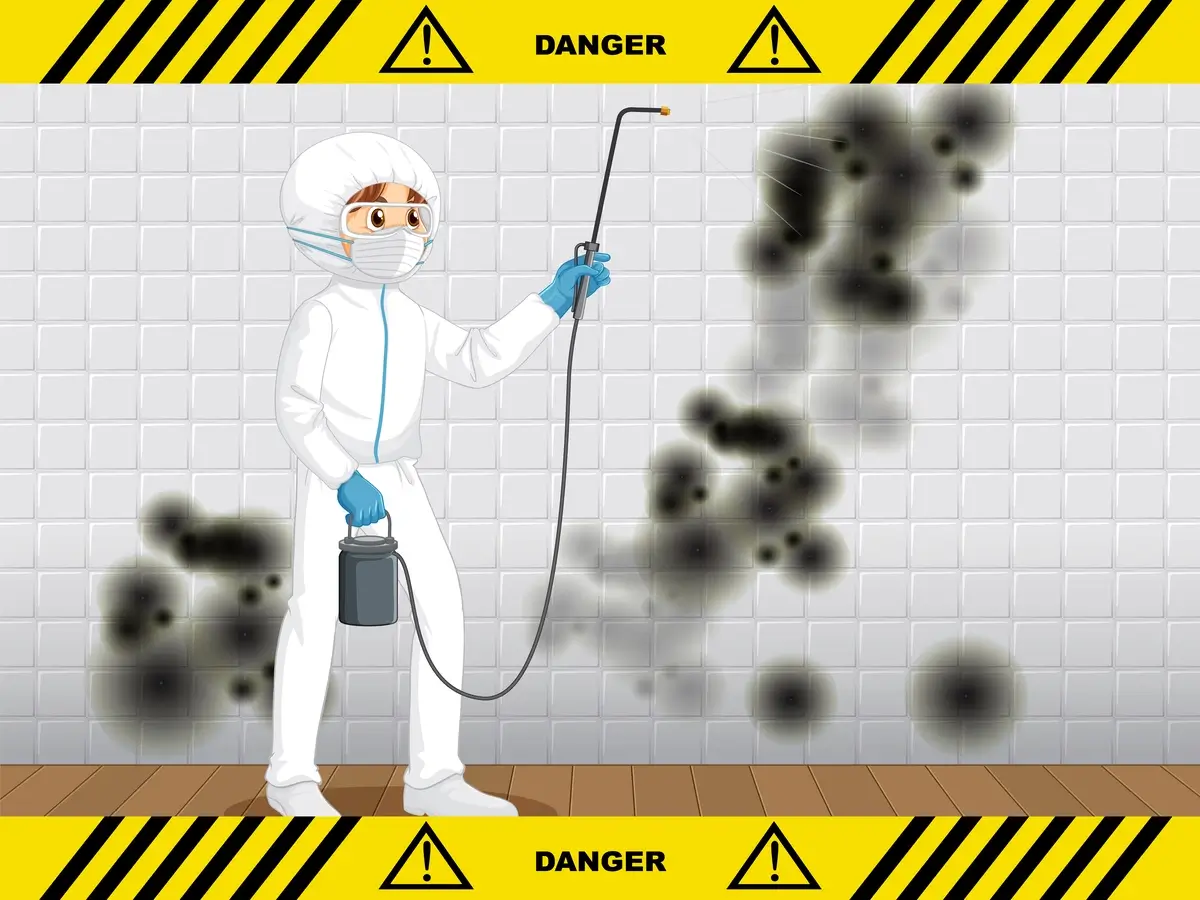
Image Source: 1st Rate Inspections
Understanding Mold: The Basics
Mold is a type of fungus that thrives in damp environments. It can grow on various surfaces, including wood, drywall, and carpets, often going unnoticed until it becomes a significant problem. Mold spores are airborne and can lead to various health issues, including respiratory problems, allergies, and other chronic conditions.
Health Risks Associated with Mold
Exposure to mold can trigger a range of health issues, particularly for individuals with pre-existing conditions. Common symptoms include:
- Respiratory Issues: Coughing, wheezing, and shortness of breath.
- Allergic Reactions: Sneezing, runny nose, and skin rashes.
- Chronic Conditions: Asthma attacks and other long-term respiratory diseases.
Environmental Factors Contributing to Mold Growth
Several factors can contribute to mold growth in homes, including:
- High Humidity: Environments with humidity levels above 60% are conducive to mold growth.
- Water Leaks: Plumbing issues or roof leaks can create damp areas ideal for mold.
- Poor Ventilation: Inadequate airflow can trap moisture indoors, promoting mold proliferation.
What is Mold Inspection?
A mold inspection is a comprehensive evaluation conducted by a certified professional to identify visible mold growth and potential moisture sources within a property. This process is essential for understanding the extent of mold contamination and determining the necessary remediation steps.
The Mold Inspection Process
- Initial Consultation: The inspector will discuss any concerns with the homeowner, including visible signs of mold, musty odors, or health symptoms.
- Visual Assessment: A thorough examination of the property is conducted, focusing on areas prone to moisture, such as basements, bathrooms, and kitchens.
- Moisture Detection: Tools like moisture meters and infrared cameras are used to identify hidden moisture sources that may not be visible to the naked eye.
- Documentation: The inspector compiles a detailed report outlining findings, including areas of concern and recommendations for remediation.
When to Schedule a Mold Inspection
Homeowners should consider scheduling a mold inspection in the following scenarios:
- Visible Mold Growth: If you notice mold on walls, ceilings, or other surfaces.
- Water Damage: After experiencing flooding or leaks.
- Health Concerns: If residents are experiencing unexplained health issues that may be related to mold exposure.
- Real Estate Transactions: When buying or selling a property, a mold inspection can provide peace of mind.
What is Mold Testing?
Mold testing involves collecting samples from the environment—such as air, surfaces, or bulk materials—and analyzing them in a laboratory to identify the presence and type of mold. This process provides a more detailed understanding of mold contamination levels and can guide remediation efforts.
Types of Mold Testing Methods
- Air Sampling: This method involves collecting air samples from various locations within the home to assess mold spore concentrations. It helps determine if indoor mold levels are higher than outdoor levels.
- Surface Sampling: Samples are taken from surfaces suspected of mold growth using swabs or tape lifts. This method identifies the type of mold present but does not quantify airborne spores.
- Bulk Sampling: A piece of material, such as drywall or insulation, is collected for laboratory analysis. This method is useful for identifying mold within building materials.
When to Conduct Mold Testing
Mold testing is recommended in the following situations:
- Hidden Mold Suspicions: If mold is suspected but not visible, testing can confirm its presence.
- Post-Remediation Verification: After mold remediation, testing ensures that the area is clear of mold before reoccupying.
- Legal or Insurance Requirements: Documentation of mold presence may be necessary for legal disputes or insurance claims.
Key Differences Between Mold Inspection and Mold Testing
Understanding the distinctions between mold inspection and mold testing is essential for homeowners in Plainfield, NJ. Here’s a breakdown of their key differences:
| Aspect | Mold Inspection | Mold Testing |
|---|---|---|
| Purpose | Identify visible mold and moisture sources | Confirm presence, species, and concentration of mold spores |
| Techniques | Visual survey, moisture meters, infrared cameras | Laboratory analysis of air, surface, or bulk samples |
| Outcome | Inspection report with remediation recommendations | Quantitative lab report detailing spore counts and species |
| When to Use | Initial assessment or property transactions | Legal disputes, health concerns, or hidden mold suspicion |
| Cost Range | $300–$650 per property | $50–$150 per sample (varies by type) |
Cost Considerations for Mold Inspection and Testing
When addressing mold issues, cost is often a significant factor for homeowners. Understanding the average costs associated with mold inspection and testing can help in budgeting for these essential services.
Mold Inspection Costs
The cost of a mold inspection can vary based on property size and location. Here’s a general breakdown:
| Property Size | National Average Cost | Plainfield, NJ Cost Range |
|---|---|---|
| Small Apartment (under 1,000 sq. ft.) | $250 – $400 | $300 – $450 |
| Single-Family Home (1,000–2,500 sq. ft.) | $400 – $650 | $500 – $750 |
| Large Homes or Commercial Properties | $700 – $1,200+ | $800 – $1,500+ |
Mold Testing Costs
Mold testing costs can also vary based on the type of samples collected. Here’s a breakdown of average costs:
| Test Type | Cost per Sample | Plainfield, NJ Price Range |
|---|---|---|
| Air Sampling | $100 – $150 | $125 – $200 |
| Surface Swab/Tape Sampling | $50 – $100 | $75 – $125 |
| Bulk Material Test | $75 – $150 | $100 – $175 |
FAQs About Mold Inspection and Testing
Do I Need Both Mold Inspection and Testing?
It depends on the situation. If visible mold or water damage is present, an inspection is crucial. However, if there are concerns about hidden mold or specific health risks, testing may be necessary to confirm the type and concentration of mold.
Can I Perform Mold Testing Myself?
While DIY mold testing kits are available, they often lack the accuracy and reliability of professional testing. Professional services provide comprehensive analysis and expert interpretation of results.
How Long Does Mold Testing Take?
The sample collection process typically takes 1-2 hours. Lab results can take anywhere from 24 to 72 hours, depending on the laboratory's capabilities and urgency.
Conclusion: Making the Right Choice for Mold Management
In summary, understanding the differences between mold inspection and mold testing is vital for homeowners in Plainfield, NJ. Mold inspections provide a thorough assessment of visible mold and moisture sources, while mold testing offers detailed analysis of mold types and concentrations. Depending on your specific situation, you may need one or both services to effectively manage mold issues in your home.
Taking proactive steps to address mold concerns can protect your health and preserve your property. If you suspect mold growth or have experienced water damage, consider reaching out to a professional mold inspection and testing service to ensure a safe and healthy living environment.
For more information about Mold Testing in Plainfield, NJ Contact us:
Company: Green Guard Mold Remediation Plainfield
Address: 321 E 3rd St, Plainfield, NJ 07060
Call us:+1 888-793-7963


Comments
Post a Comment