Signs You Need Professional Mold Removal in Plainfield, NJ Homes
Mold growth can pose significant health risks and structural damage to your home. In Plainfield, NJ, where humidity levels can fluctuate, it’s crucial to be vigilant about potential mold issues. Understanding the signs that indicate the need for professional mold removal in Plainfield, NJ is essential for maintaining a safe and healthy living environment. This article will explore various indicators of mold presence, the health implications associated with mold exposure, and the importance of timely intervention.
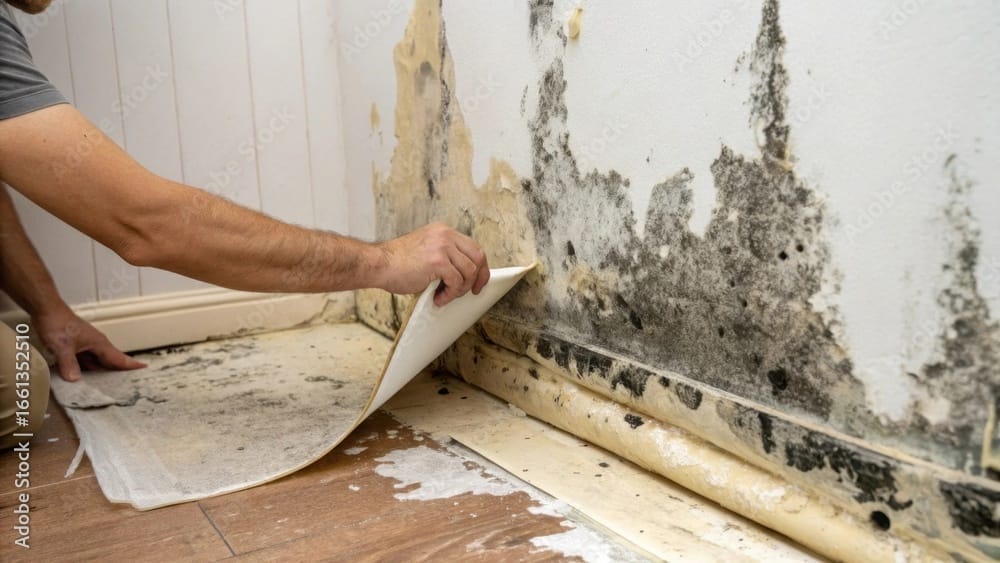
Understanding Mold and Its Growth Conditions
Mold is a type of fungus that thrives in damp, warm environments. It can grow on various surfaces, including wood, drywall, and fabric. The growth of mold is often accelerated by moisture, which can enter your home through leaks, flooding, or high humidity levels.
The Ideal Conditions for Mold Growth
Mold spores are ubiquitous in the environment, but they require specific conditions to flourish:
- Moisture: Mold needs water to grow. This can come from leaks, condensation, or high humidity levels.
- Temperature: Mold typically thrives in temperatures between 60°F and 80°F.
- Organic Material: Mold feeds on organic materials, which can include wood, paper, and even dust.
Understanding these conditions can help homeowners in Plainfield, NJ, take proactive measures to prevent mold growth.
Common Signs of Mold Presence
Recognizing the signs of mold is the first step in addressing the issue. Here are some common indicators that you may need professional mold removal services.
Visible Mold Growth
One of the most apparent signs of mold is visible growth. Mold can appear in various colors, including black, green, or white, and may manifest as spots or patches on walls, ceilings, or floors.
- Location Matters: Mold is often found in areas with high moisture, such as bathrooms, kitchens, and basements.
- Surface Types: Mold can grow on both porous and non-porous surfaces, making it essential to inspect various materials in your home.
Musty Odors
A persistent musty smell is a strong indicator of mold presence, even if it is not visible. This odor is caused by microbial volatile organic compounds (MVOCs) released by mold as it grows.
- Source Identification: If you notice a musty smell, investigate areas that are prone to moisture, such as behind appliances or under sinks.
- Air Quality Impact: Musty odors can indicate poor indoor air quality, which can affect your health and comfort.
Water Damage and Stains
Water stains on walls or ceilings can signal a history of water intrusion, which creates an ideal environment for mold growth.
- Dampness: Areas that feel damp to the touch or have visible water stains should be inspected for mold.
- Structural Integrity: Prolonged water damage can weaken structural materials, making it essential to address the issue promptly.
Health Implications of Mold Exposure
Mold exposure can lead to various health issues, particularly for individuals with allergies or respiratory conditions. Understanding these health implications can motivate homeowners to seek professional mold removal services.
Allergic Reactions
Many people are sensitive to mold and may experience allergic reactions when exposed. Symptoms can include:
- Sneezing
- Runny or stuffy nose
- Itchy or watery eyes
- Skin rashes
Respiratory Issues
For those with asthma or other respiratory conditions, mold exposure can exacerbate symptoms and lead to serious health complications.
- Breathing Difficulties: Mold spores can trigger asthma attacks or cause difficulty breathing.
- Chronic Coughing: Prolonged exposure may lead to chronic coughing or wheezing.
Other Health Concerns
In addition to allergic reactions and respiratory issues, mold exposure can lead to other health problems, including:
- Fatigue
- Headaches
- Skin irritation
If you or your family members experience these symptoms, especially when indoors, it may be time to consider professional mold removal.
Areas of Your Home to Inspect for Mold
Certain areas in your home are more susceptible to mold growth due to higher moisture levels. Regular inspections of these areas can help you catch mold issues early.
Basements and Crawl Spaces
Basements and crawl spaces are often damp and poorly ventilated, making them prime locations for mold growth.
- Humidity Control: Use dehumidifiers to maintain optimal humidity levels in these areas.
- Regular Inspections: Check for leaks or standing water regularly.
Bathrooms and Kitchens
These areas are frequently exposed to moisture from showers, cooking, and dishwashing.
- Ventilation: Ensure proper ventilation to reduce humidity levels.
- Cleaning: Regularly clean surfaces to prevent mold buildup.
Attics and Roof Spaces
Attics can trap heat and moisture, especially if there are leaks in the roof.
- Insulation Inspection: Check insulation for signs of moisture or mold.
- Ventilation: Ensure proper airflow to prevent moisture accumulation.
The Importance of Timely Mold Removal
Addressing mold issues promptly is crucial for both health and property preservation. Delaying mold removal can lead to more extensive damage and health risks.
Preventing Structural Damage
Mold can weaken structural materials, leading to costly repairs.
- Early Intervention: Timely mold removal can prevent further damage to walls, ceilings, and flooring.
- Cost Savings: Addressing mold early can save homeowners money in the long run.
Protecting Indoor Air Quality
Mold can significantly impact indoor air quality, leading to health issues for occupants.
- Airborne Spores: Mold spores can become airborne, affecting air quality and leading to respiratory problems.
- Health Risks: Maintaining good air quality is essential for the health of all household members.
DIY vs. Professional Mold Removal
While some homeowners may consider tackling mold removal on their own, professional services often provide more effective and thorough solutions.
Limitations of DIY Methods
DIY mold removal methods may not address the root cause of the problem and can sometimes worsen the situation.
- Incomplete Removal: Without proper training, homeowners may miss hidden mold or fail to contain spores effectively.
- Health Risks: DIY methods can expose individuals to harmful mold spores, leading to health issues.
Benefits of Professional Services
Hiring professionals for mold removal offers several advantages:
- Expertise: Professionals have the training and experience to identify and address mold issues effectively.
- Comprehensive Solutions: They can provide thorough inspections, removal, and prevention strategies.
Choosing the Right Mold Removal Service in Plainfield, NJ
Selecting a reliable mold removal service is essential for effective remediation. Here are some factors to consider when choosing a service provider.
Experience and Reputation
Look for companies with a proven track record in mold removal.
- Customer Reviews: Check online reviews and testimonials to gauge customer satisfaction.
- Industry Experience: Choose a company with experience in handling mold issues specific to your area.
Certification and Insurance
Ensure that the mold removal service is certified and insured.
- Certifications: Look for certifications from recognized organizations in mold remediation.
- Insurance Coverage: Verify that the company has liability insurance to protect you in case of accidents.
Preventing Future Mold Growth
Once mold has been removed, taking steps to prevent future growth is crucial. Here are some effective strategies to keep your home mold-free.
Control Humidity Levels
Maintaining optimal humidity levels is key to preventing mold growth.
- Dehumidifiers: Use dehumidifiers in areas prone to moisture, such as basements and bathrooms.
- Ventilation: Ensure proper ventilation throughout your home to reduce humidity.
Regular Maintenance
Regular home maintenance can help prevent mold issues.
- Inspect for Leaks: Regularly check for leaks in plumbing and roofing.
- Clean Gutters: Keep gutters clean to prevent water buildup around your home.
Educate Your Family
Educating your family about mold prevention can help maintain a healthy home environment.
- Awareness: Teach family members to recognize signs of mold and moisture issues.
- Action Plans: Develop action plans for addressing potential mold problems promptly.
Conclusion
Recognizing the signs that indicate the need for professional mold
removal is essential for maintaining a safe and healthy home in
Plainfield, NJ. By understanding the conditions that promote mold
growth, the health risks associated with exposure, and the importance of
timely intervention, homeowners can take proactive steps to protect
their property and well-being. If you suspect mold in your home, don’t
hesitate to seek professional assistance to ensure effective remediation
and prevent future growth.
For more information about Mold Remediation in Plainfield, NJ Contact us:
Company: Green Guard Mold Remediation Plainfield
Address: 321 E 3rd St, Plainfield, NJ 07060
Call us:+1 888-793-7963


Comments
Post a Comment